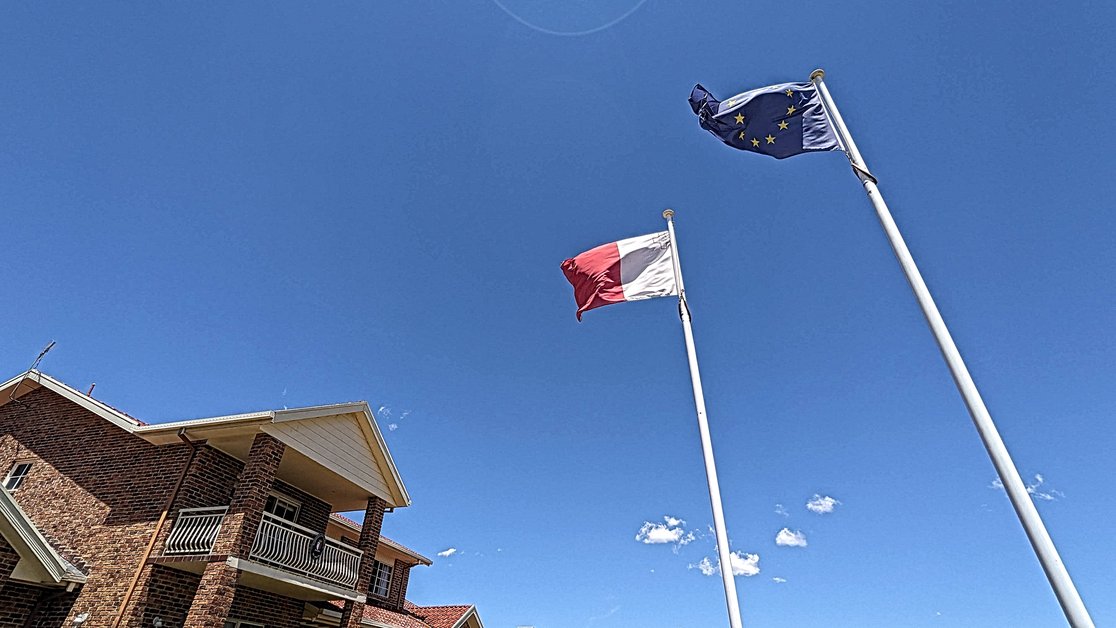
Few international tax regimes are as widely discussed – and as frequently misunderstood – as Malta’s corporate tax system. On paper, Malta imposes a statutory corporate income tax rate of 35%, which is the highest headline rate in the European Union. In practice, however, non-resident and non-domiciled shareholders can legally reduce their effective corporate tax rate to 5% on active trading profits through Malta’s statutory tax refund mechanism.
Unlike traditional offshore tax havens, Malta achieves this within a fully onshore, OECD-compliant, and EU-approved framework codified in the Income Tax Act (Cap. 123) and the Income Tax Management Act (Cap. 372). When combined with Malta’s non-dom personal tax residency system, corporate founders and international businesses can build an integrated, tax-efficient global architecture.
The Full Imputation System: Eliminating Double Taxation
To understand how Malta’s 5% effective corporate rate operates, one must first understand the full imputation system.
Classical vs. Imputation Corporate Systems
In classical tax systems (such as those in the US, Germany, or France), corporate profits suffer from economic double taxation: profits are taxed first at the corporate level, and when distributed to shareholders as dividends, they are taxed a second time as personal dividend income[cite: 10, 34].
Malta completely eliminates double taxation through full imputation[cite: 10, 34]:
- When a Maltese company distributes dividends from its taxed profits, the corporate tax paid by the company is imputed as a tax credit attached directly to the dividend warrant received by the shareholder[cite: 1, 10, 34].
- Because Malta’s top personal income tax rate (35%) equals the corporate tax rate (35%), the imputed tax credit fully offsets any further tax liability on that dividend[cite: 10, 34, 35].
- As a result, dividends distributed by a Maltese company are never taxed again at the Maltese shareholder level, and Malta levies 0% withholding tax on outbound dividend distributions to foreign shareholders[cite: 1, 10, 35].
The Corporate Refund Mechanism: The Four Statutory Tiers
The 5% effective rate is not a discounted headline tax rate; it is the mathematical result of a statutory shareholder tax refund paid directly by the Malta Tax and Customs Administration (MTCA) upon the distribution of dividends[cite: 1, 10, 35].
| Statutory Refund Tier | Qualifying Income Type | Headline Rate | Shareholder Refund | Net Effective Rate |
|---|---|---|---|---|
| 6/7ths Refund | Active trading & commercial profits (e-commerce, SaaS, services, consulting)[cite: 1, 10]. | 35% | 30% (6/7 of 35%)[cite: 1, 10] | 5.0%[cite: 1, 10] |
| 5/7ths Refund | Passive interest and royalties not derived from an active trade or business[cite: 1, 10]. | 35% | 25% (5/7 of 35%)[cite: 1, 10] | 10.0%[cite: 1, 10] |
| 2/3rds Refund | Foreign profits claiming Double Taxation Treaty relief or unilateral relief[cite: 1, 10]. | 35% | Variable (2/3 of tax paid)[cite: 1, 10] | ~12.5%[cite: 1, 10] |
| 100% Exemption | Qualifying holdings in foreign subsidiaries (Participation Exemption)[cite: 1, 10]. | 0% | N/A (Exempt at source)[cite: 1, 10] | 0.0%[cite: 1, 10] |
1. The 6/7ths Refund: Active Trading Income (5% Effective Rate)
The 6/7ths refund is the core mechanism used by international operating companies[cite: 1, 10]. When a company earns active commercial revenue (e.g., cross-border SaaS, software development, e-commerce, digital marketing, or consulting), it pays 35% tax upfront[cite: 1, 10]. Upon distributing those post-tax profits as a dividend, the registered shareholder is entitled to reclaim 6/7ths of the tax paid directly from the MTCA (equivalent to 30% of gross profits), leaving a net domestic tax burden of just 5%[cite: 1, 10, 36].
2. The 5/7ths Refund: Passive Interest & Royalties (~10% Effective Rate)
Where income consists of passive interest or royalties (intellectual property income not directly generated from active business operations), the shareholder refund is reduced to 5/7ths of the tax paid[cite: 1, 10]. This results in a net effective Maltese tax charge of 10%[cite: 1, 10].
3. The 2/3rds Refund: Profits Sheltered by Double Tax Relief
If a Maltese company claims double taxation relief (such as treaty relief or unilateral relief) on foreign-sourced income allocated to its Foreign Income Account, the statutory refund is capped at 2/3rds of the total tax paid, yielding an effective corporate tax rate of approximately 12.5% to 15%[cite: 1, 10].
4. The Participation Exemption: 0% Tax on Holding Income
Under Article 12(1)(u) of the Income Tax Act, dividend income derived from a participating holding in a non-resident subsidiary, as well as capital gains realized from the sale of shares in such a subsidiary, are 100% exempt from Maltese corporate tax[cite: 1, 10]. A qualifying holding generally exists where a Maltese company holds at least 5% of the equity shares of a foreign entity or meets specific capital threshold tests[cite: 10].
Structuring for Optimization: The Two-Tier Holding Blueprint
A frequent error made by international entrepreneurs is incorporating a single Maltese trading company owned directly by an individual foreign shareholder[cite: 1, 10].
If the 6/7ths tax refund is wired directly to an individual Ultimate Beneficial Owner (UBO) residing in a country with worldwide taxation, that foreign tax authority may classify the refund as personal taxable income, triggering high domestic tax rates and eliminating the benefit of the Maltese system[cite: 1, 10, 36].
The Canonical Two-Tier Architecture (OpCo + HoldCo)
To retain capital inside a corporate tax perimeter, international practitioners implement a two-tier Maltese corporate structure[cite: 1, 10, 36]:
┌─────────────────────────────────────────────────────────────┐
│             ULTIMATE BENEFICIAL OWNER (UBO)                 │
│        (Foreign Non-Resident or Malta Non-Dom Expat)        │
└──────────────────────────────┬──────────────────────────────┘
                               │ 100% Equity Ownership
                               ▼
┌─────────────────────────────────────────────────────────────┐
│                 MALTA HOLDING COMPANY (HoldCo)              │
│  - Receives Dividends (€325,000) with 0% Withholding Tax    │
│  - Receives 6/7ths Tax Refund (€150,000) from MTCA          │
│  - Total Retained Capital: €475,000 (Reinvest or Distribute)│
└──────────────────────────────┬──────────────────────────────┘
                               │ 100% Equity Ownership
                               ▼
┌─────────────────────────────────────────────────────────────┐
│                MALTA OPERATING COMPANY (OpCo)               │
│  - Active Trading Profits: €500,000                         │
│  - Pays 35% Headline Tax to MTCA: (€175,000)                │
│  - Distributes Post-Tax Dividend: €325,000                  │
└─────────────────────────────────────────────────────────────┘
- Maltese Operating Company (OpCo): Carries out active commercial operations (SaaS, trading, e-commerce, services) and earns €500,000 in chargeable profits[cite: 1, 10]. It pays the statutory 35% tax (€175,000) to the MTCA and declares a post-tax dividend of €325,000[cite: 1, 10].
- Maltese Holding Company (HoldCo): As the registered 100% shareholder, HoldCo receives the €325,000 dividend without withholding tax, along with an imputed tax credit[cite: 1, 10, 35].
- Tax Refund Execution: HoldCo files Form UA with the MTCA to claim the 6/7ths refund of the tax paid (€150,000)[cite: 1, 10, 33]. The cash refund is deposited directly into HoldCo’s bank account[cite: 1, 10, 36].
- Clean Capital Pool: HoldCo now holds €475,000 in liquid capital (€325,000 dividend + €150,000 tax refund), leaving an effective corporate tax burden of 5% (€25,000)[cite: 1, 10, 36]. This capital can be redeployed into investments, held in treasury, or distributed to the UBO in accordance with their personal tax residency rules[cite: 1, 10].
The Five Statutory Tax Accounts: Mandatory Allocation
Under Maltese corporate tax law, every company must track and allocate its post-tax profits across five distinct statutory tax accounts in its annual tax computation[cite: 1, 10]. Incorrect account allocation can invalidate shareholder refund claims[cite: 1, 10].
| Statutory Account | Nature of Profits Allocated | Refund Eligibility |
|---|---|---|
| MTA (Malta Taxed Account) | Locally sourced active trading and commercial profits subject to Maltese corporate tax[cite: 1, 10]. | Eligible for 6/7ths Refund[cite: 1, 10]. |
| FIA (Foreign Income Account) | Foreign dividends, interest, royalties, and overseas branch profits[cite: 1, 10]. | Eligible for 6/7ths, 5/7ths, or 2/3rds Refund[cite: 1, 10]. |
| IPA (Immovable Property Account) | Profits derived directly from the ownership, transfer, or development of Maltese real estate[cite: 1, 10]. | Non-Refundable (0% Refund); stays at 35% headline[cite: 1, 10]. |
| FTA (Final Tax Account) | Profits subject to a final withholding tax or statutory capital gains exclusions[cite: 1, 10]. | Non-Refundable (0% Refund)[cite: 1, 10]. |
| UA (Untaxed Account) | Income exempt from tax or accounting profits in excess of taxable profits[cite: 1, 10]. | Non-Refundable (0% Refund)[cite: 1, 10]. |
Financial Scenario: Worked 6/7ths Corporate Cashflow Model
The following financial model illustrates the step-by-step cash flow of a Maltese corporate group generating €500,000 in active annual trading profit[cite: 1, 10, 36]:
| Step / Corporate Action | Governing Legal Mechanism | Financial Flow (€) |
|---|---|---|
| 1. OpCo Gross Trading Profit | Pre-tax net commercial operating revenue[cite: 1, 10]. | €500,000[cite: 1, 10] |
| 2. OpCo Corporate Tax Paid | 35% Headline Rate paid to MTCA on Form T10[cite: 1, 10]. | (€175,000)[cite: 1, 10] |
| 3. OpCo Post-Tax Dividend | Distributed to HoldCo via Dividend Warrant[cite: 1, 10]. | €325,000[cite: 1, 10] |
| 4. Dividend Received by HoldCo | 0% Outbound Withholding Tax + Imputed Credit[cite: 1, 10, 35]. | €325,000[cite: 1, 10] |
| 5. HoldCo Shareholder Refund Claim | 6/7ths refund claim filed via MTCA Form UA[cite: 1, 10, 33]. | €150,000[cite: 1, 10] |
| 6. Total Capital Retained in HoldCo | Net Dividend (€325,000) + Tax Refund (€150,000)[cite: 1, 10]. | €475,000[cite: 1, 10] |
| 7. Net Effective Corporate Tax Retained | State retains €25,000 of the original €500,000 profit[cite: 1, 10]. | 5.0% (€25,000)[cite: 1, 10] |
Step-by-Step Administration & Compliance Timeline
Maintaining a compliant Maltese corporate structure requires adherence to statutory audit and tax submission timelines[cite: 10, 32]:
┌────────────────────────────────────────────────────────────────────────┐
│                   CORPORATE COMPLIANCE PIPELINE                        │
├─────────────────────┬──────────────────────────────────────────────────┤
│ Stage               │ Regulatory Requirement & Filing Action           │
├─────────────────────┼──────────────────────────────────────────────────┤
│ Month 1 – 6         │ Preparation of Audited Financial Statements      │
│ Month 9             │ Electronic Filing of Corporate Tax Return (T10)  │
│ Month 9             │ Settlement of OpCo 35% Corporate Tax Liability   │
│ Month 9 + 14 Days   │ Submission of Shareholder Refund Claim (Form UA) │
│ Post-Filing         │ MTCA Direct Bank Refund Transfer to HoldCo       │
└─────────────────────┴──────────────────────────────────────────────────┘
- Mandatory Statutory Audit: Every Maltese limited liability company must prepare annual financial statements audited by a certified local Maltese auditor, regardless of turnover size[cite: 10, 33].
- Form T10 Tax Submission: The corporate tax return (Form T10) and tax payments are due 9 months after the financial year-end (for standard calendar year-ends, this falls in September)[cite: 1, 10, 33].
- Form UA Shareholder Submission: Once the operating company’s tax is paid and the dividend is declared, the shareholder submits Form UA to register for and request the tax refund[cite: 1, 10, 33].
- Refund Payment Timeline: Under Maltese statutory law, the MTCA is required to pay corporate tax refunds within 14 days following the end of the month in which the claim becomes valid[cite: 10]. In practice, first-time refund claims undergo standard KYC/AML reviews and typically clear within a few weeks[cite: 10].
Substance Requirements, NID & OECD Pillar Two
Notional Interest Deduction (NID) Layering
Under the Notional Interest Deduction Rules (Legal Notice 262 of 2017), Maltese companies funded with equity capital can claim a notional interest deduction against their chargeable profits[cite: 1, 10]. The NID allows companies to deduct a deemed interest expense calculated on their equity base (up to a maximum of 90% of taxable income), further reducing taxable profit before applying the standard 6/7ths refund mechanics[cite: 10].
Establishing Genuine Economic Substance
In the post-BEPS international tax environment, “letterbox” or brass-plate companies are no longer viable[cite: 10]. To protect the Maltese structure against anti-avoidance challenges in foreign jurisdictions, companies must maintain genuine economic substance in Malta[cite: 10, 35]:
- Local Management & Control: Board meetings must be held in Malta, with the majority of directors resident in Malta and possessing the competence to make strategic commercial decisions[cite: 10, 35].
- Physical Infrastructure: Maintaining a registered office, local operational premises, and active corporate bank accounts[cite: 1, 10].
- Core Income-Generating Activities (CIGA): Key commercial, contractual, and technical decisions must be documented as taking place within Maltese jurisdiction[cite: 10].
OECD Pillar Two (Global Minimum Tax): Why SMEs Are Protected
Under EU Directive 2022/2523 and domestic regulations, the OECD Pillar Two 15% Global Minimum Tax applies exclusively to multinational enterprise (MNE) groups with consolidated annual revenues exceeding €750 million[cite: 1, 10, 11].
Malta utilized the statutory deferral provisions permitted under Article 50 of the Directive, deferring the application of the Income Inclusion Rule (IIR) and Undertaxed Profits Rule (UTPR)[cite: 1, 11]. For standalone SMEs, startups, e-commerce brands, and owner-managed international businesses below the €750M threshold, Malta’s 5% effective corporate tax system remains fully operational and intact[cite: 1, 10, 11].
Strategic Verdict: Aligning Corporate Structure with Personal Residency
Malta’s 5% effective corporate tax rate offers one of the most powerful corporate structuring tools in the European Union[cite: 1, 10]. However, corporate efficiency cannot be planned in isolation from personal tax residency[cite: 1, 10].
If you are relocating to Malta to manage your corporate group directly, make sure to read our foundational guide to Malta’s non-dom tax system and personal residency rules to structure personal dividend distributions under the remittance basis[cite: 1, 10]. For solo remote contractors, freelancers, and cross-border employees comparing company formation against visa pathways, consult our breakdown of the Malta Nomad Residence Permit vs. tax residency to evaluate the 10% flat remote work rate[cite: 1, 13, 14].
References & Citation Index
- Source 1: LEĠIŻLAZZJONI MALTA: Income Tax Act (Cap. 123) • MTCA: Guidelines on the Remittance Basis of Taxation.
- Source 10: Zunapro: Malta 6/7 Tax Refund System & Full Imputation Guide (5% Effective Rate) • MTCA Corporate Tax Portal.
- Source 11: DW&P Dr. Werner & Partners: Malta’s Effective 5% Corporate Tax Rate, Pillar Two & FITWI Regime.
- Source 13: GVZH Advocates: Malta Nomad Residence Permit Tax Treatment & Guidance.
- Source 14: Taxes for Expats: The Malta Digital Nomad Visa (2026 Expat Tax Rules).
- Source 33: LEĠIŻLAZZJONI MALTA: Income Tax Management Act (Cap. 372) • Precision Point Malta: Corporate & Individual Tax Forms.
- Source 34: Euro Company Formations: The Full Imputation System in Malta Explained.
- Source 35: Gonzi & Associates Advocates: Full Imputation System & Tax Refunds in Malta.
- Source 36: TMF Group: Malta’s Corporate Tax Refund System & Two-Tier Organigram.